
Understand basic circuits with diagrams.
Learn common circuit patterns used in relay control and ladder logic, including self-holding circuits, timer circuits, interlocks, and start/stop circuits.
What you can learn in this category
Basic circuits become easier to understand when you follow the signal flow step by step instead of trying to memorize every symbol at once.
Follow how an input condition turns an output on or off in simple relay and ladder circuits.
Learn how self-holding, alarm holding, reset, and start/stop circuits are built.
Understand interlocks, forward/reverse circuits, selector circuits, and other patterns that prevent unsafe operation.
First articles to read
Start here if you want to understand relay circuits and ladder-style thinking from the basics.
Start/Stop Circuit Basics
Learn the basic circuit used to start and stop equipment with push buttons.
2Self-Holding Circuit Basics
Understand how a circuit keeps an output on after a start signal.
3Press-and-Hold Circuit Basics
Learn the basic circuit where an output turns ON only while the push button input is ON, and turns OFF when the button is released.
4Timer Circuit Basics
Understand how timers are used to delay or switch operations.
Circuit articles
These articles cover common circuit patterns used in control panels, relay logic, and ladder diagrams.
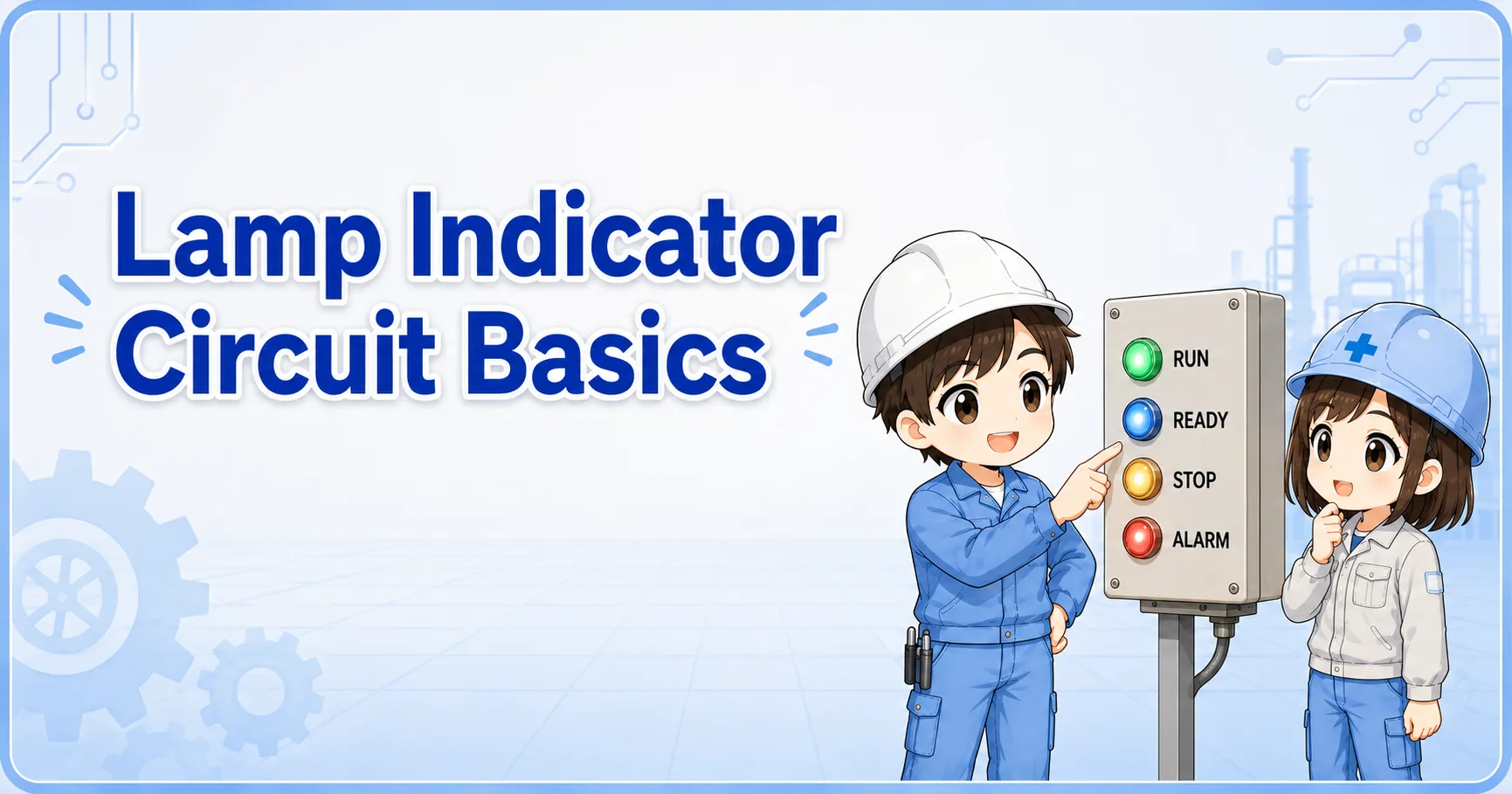
Lamp Indicator Circuit Basics: Showing Run, Stop, and Alarm Status
Learn how run, stop, alarm, and ready indicator lamps show machine status using PLC outputs, relay contacts, power supply, and simple ladder conditions.
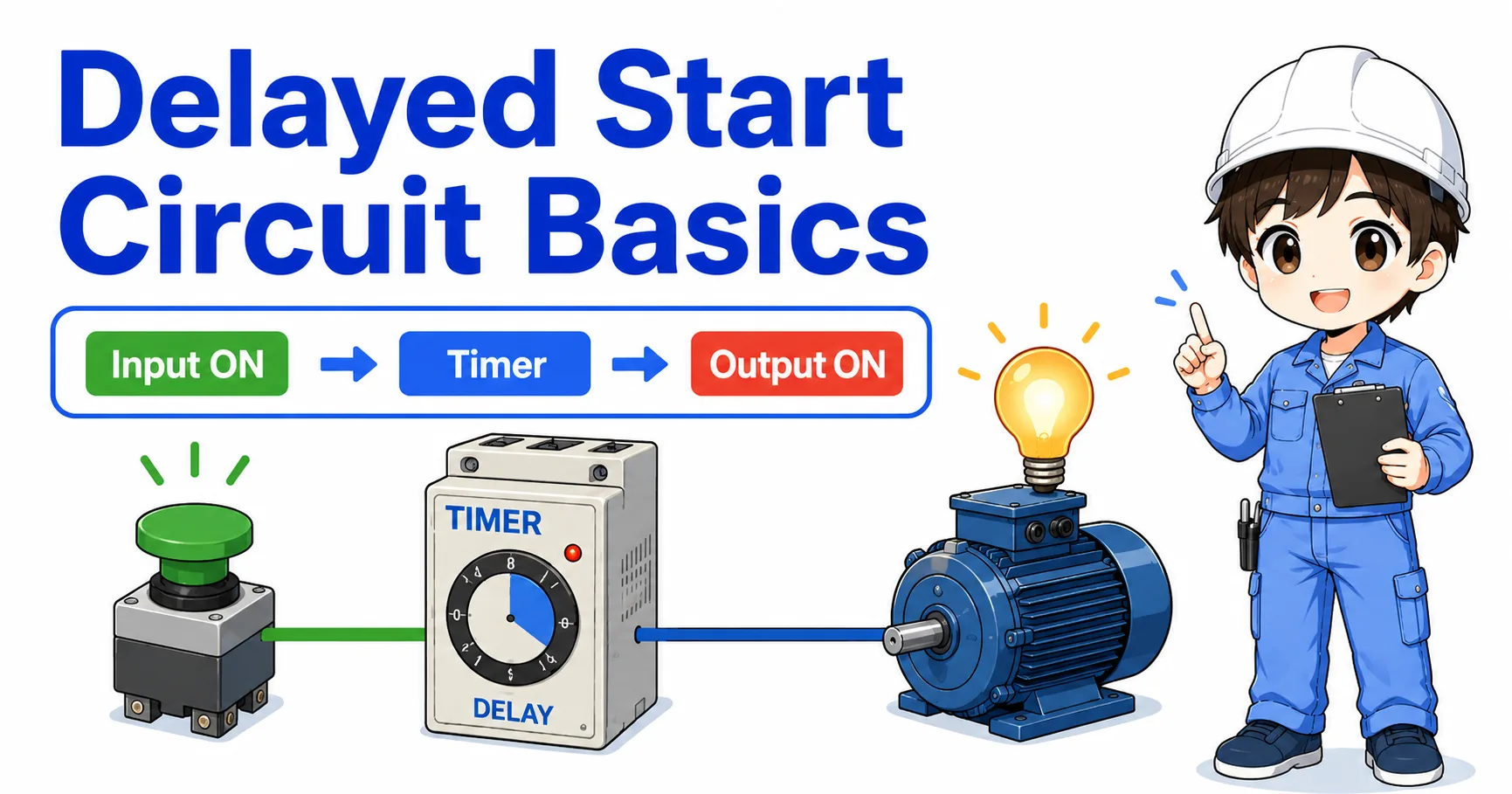
Delayed Start Circuit Basics: Starting an Output After a Timer
Learn how a delayed start circuit waits after an input turns ON, then starts the output after a timer preset is complete.
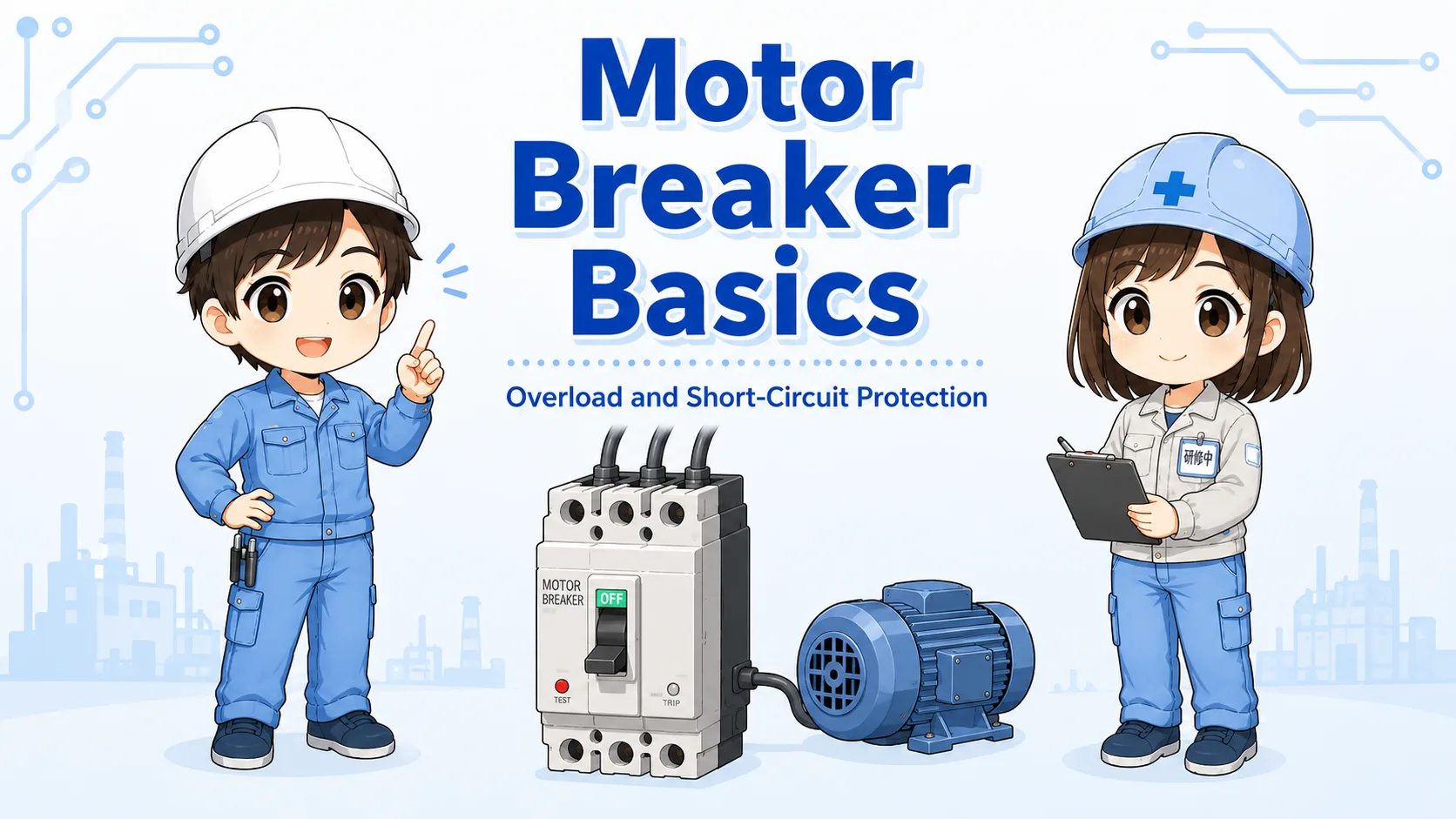
Motor Breaker Basics: Protecting Motors from Overload and Short Circuits
A beginner-friendly guide to motor breakers, overload protection, short-circuit protection, current setting, contactors, thermal relays, trip causes, and field check points.
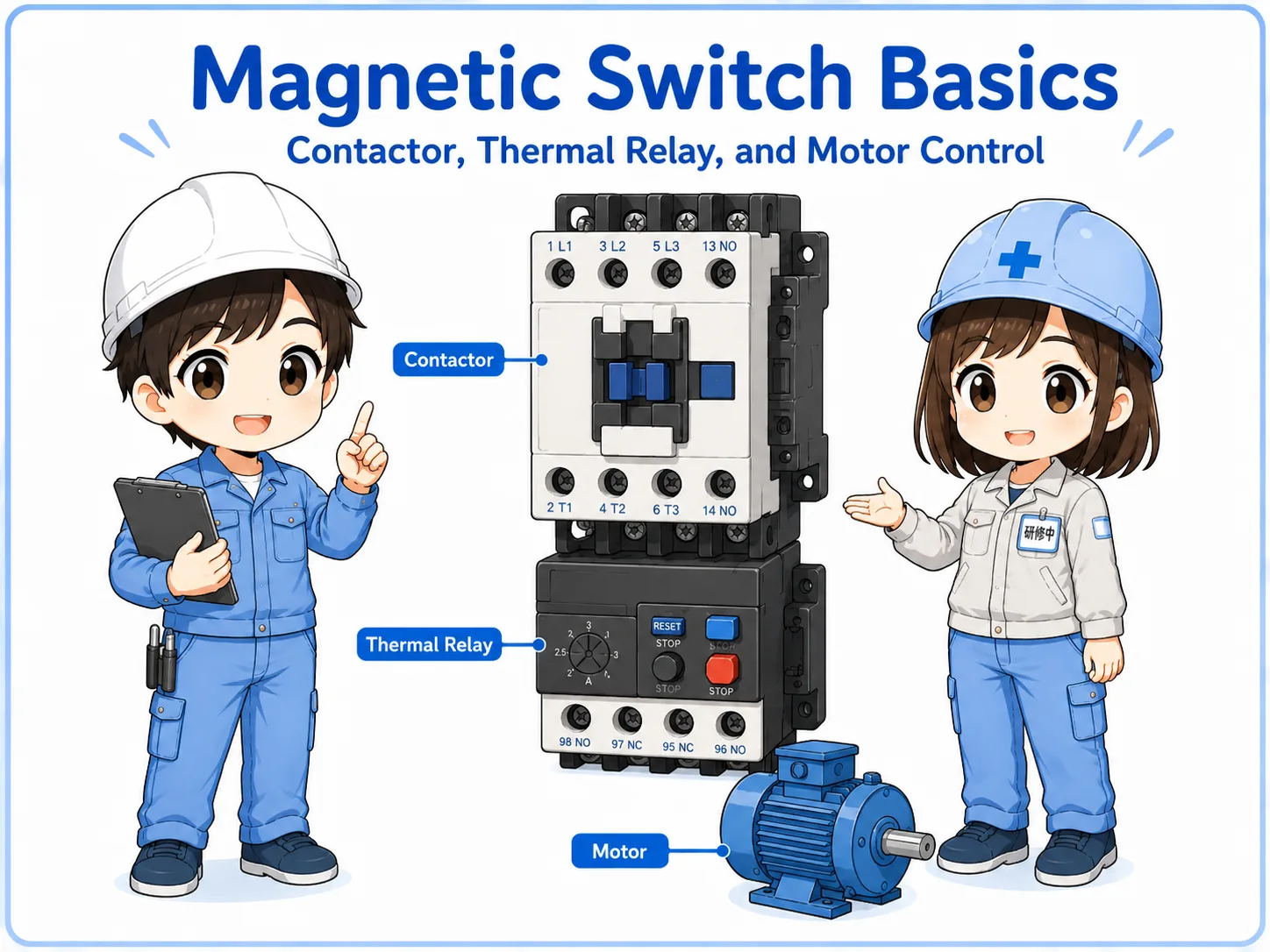
Magnetic Switch Basics: Contactor, Thermal Relay, and Motor Control
A beginner-friendly guide to magnetic switches, contactors, thermal relays, overload protection, auxiliary contacts, motor start/stop control, and practical field checks.
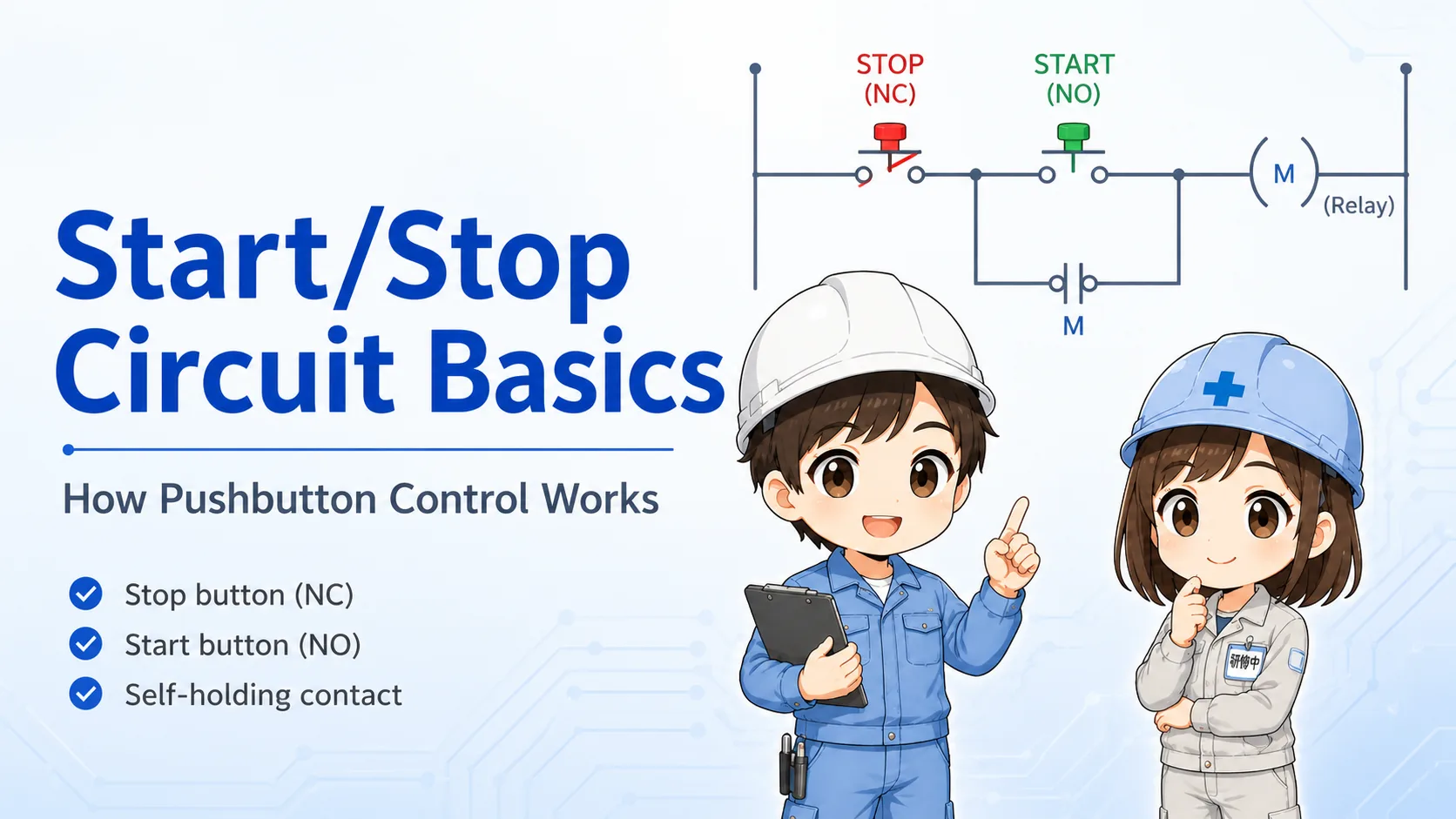
Start/Stop Circuit Basics: How Pushbutton Control Works
A beginner-friendly guide to the stop button, start button, output coil, self-holding contact, and practical field checks used in basic start/stop control circuits.
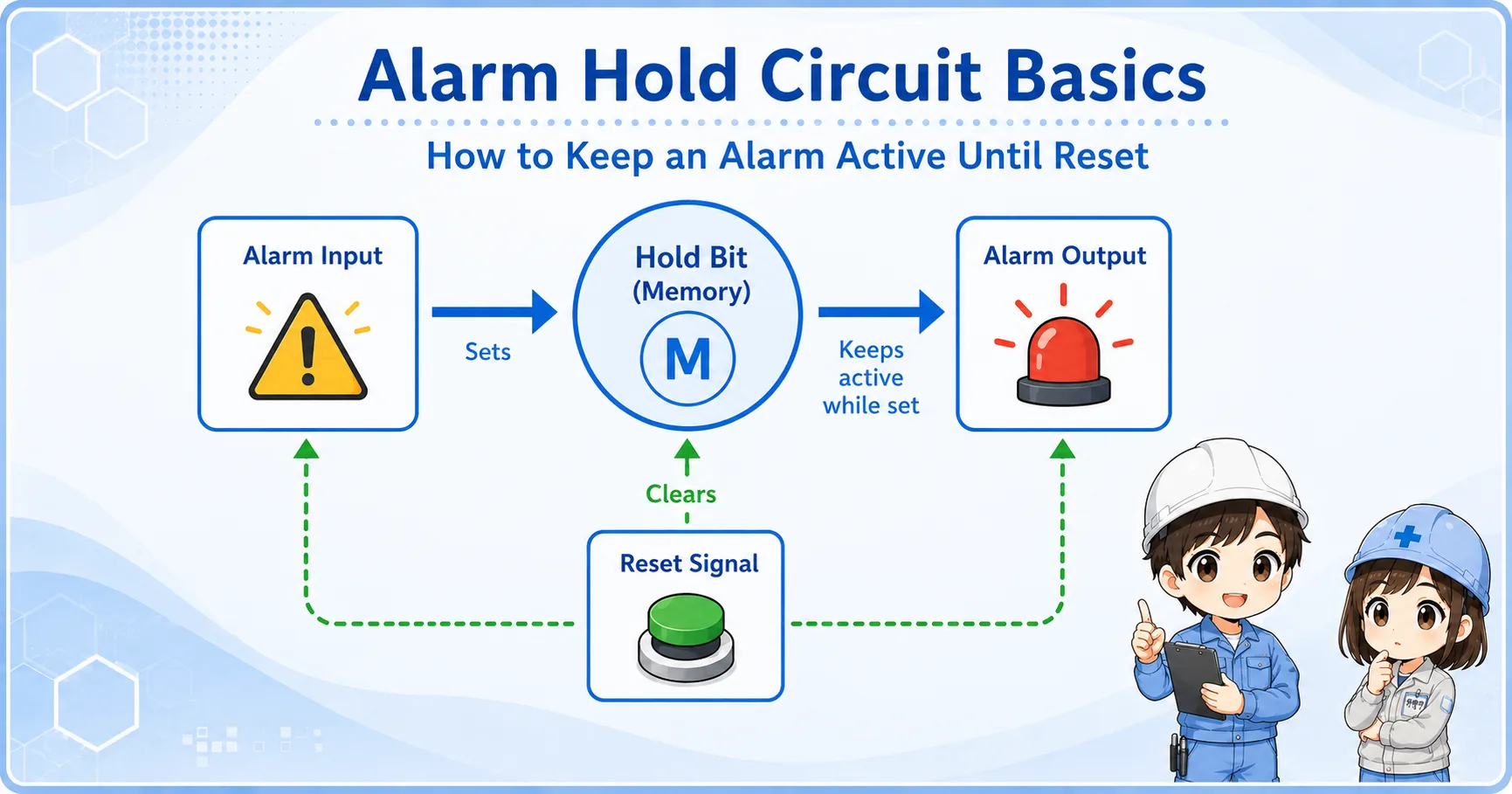
Alarm Hold Circuit Basics: How to Keep an Alarm Active Until Reset
Learn how alarm inputs, hold bits, reset signals, lamps, and buzzers work together to keep an alarm active until the proper reset clears it.
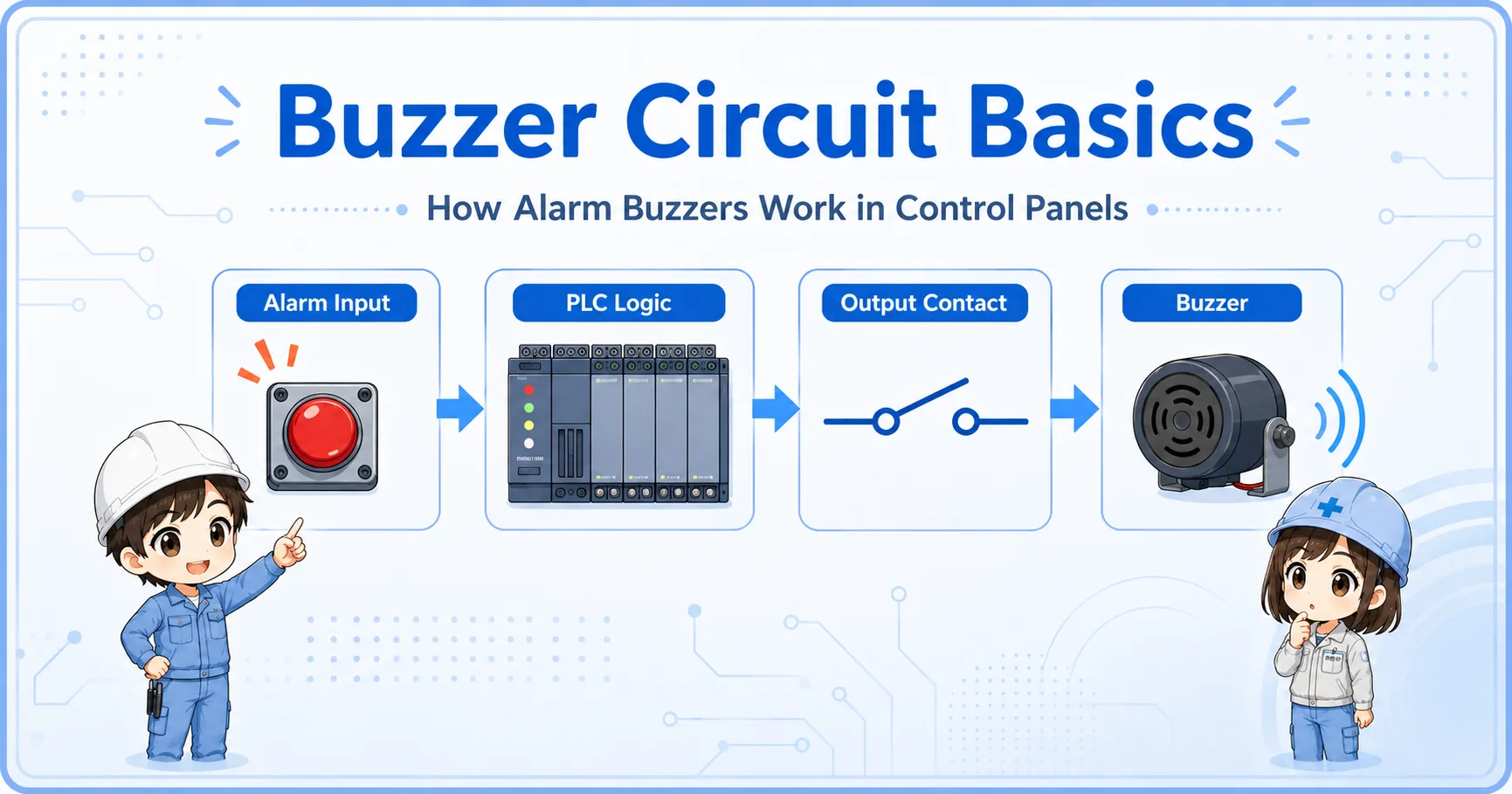
Buzzer Circuit Basics: How Alarm Buzzers Work in Control Panels
Learn how alarm inputs, PLC outputs, buzzer loads, hold circuits, and reset signals work together in a basic buzzer circuit.
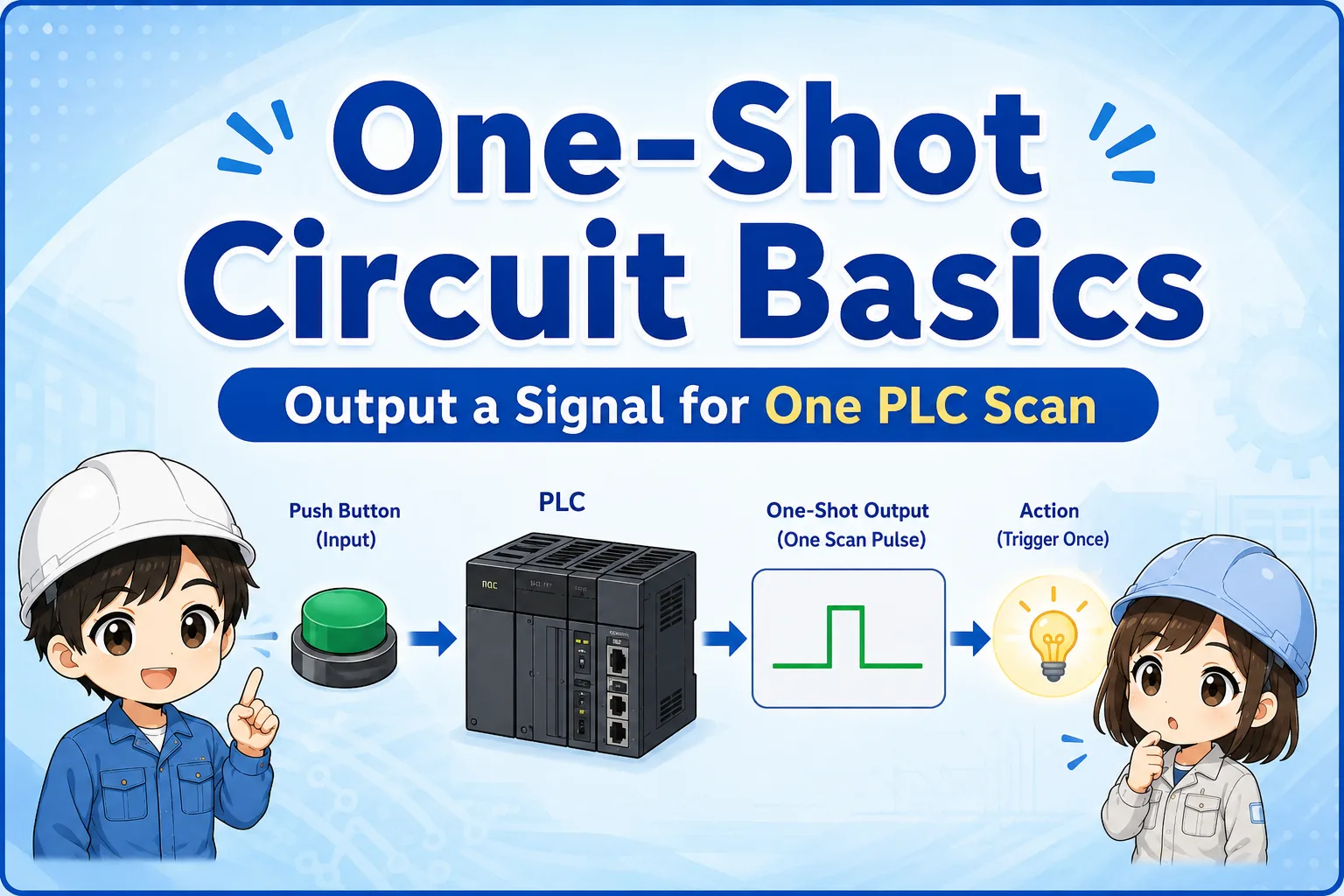
One-Shot Circuit Basics
Learn how a circuit creates a short pulse from a change in signal state.
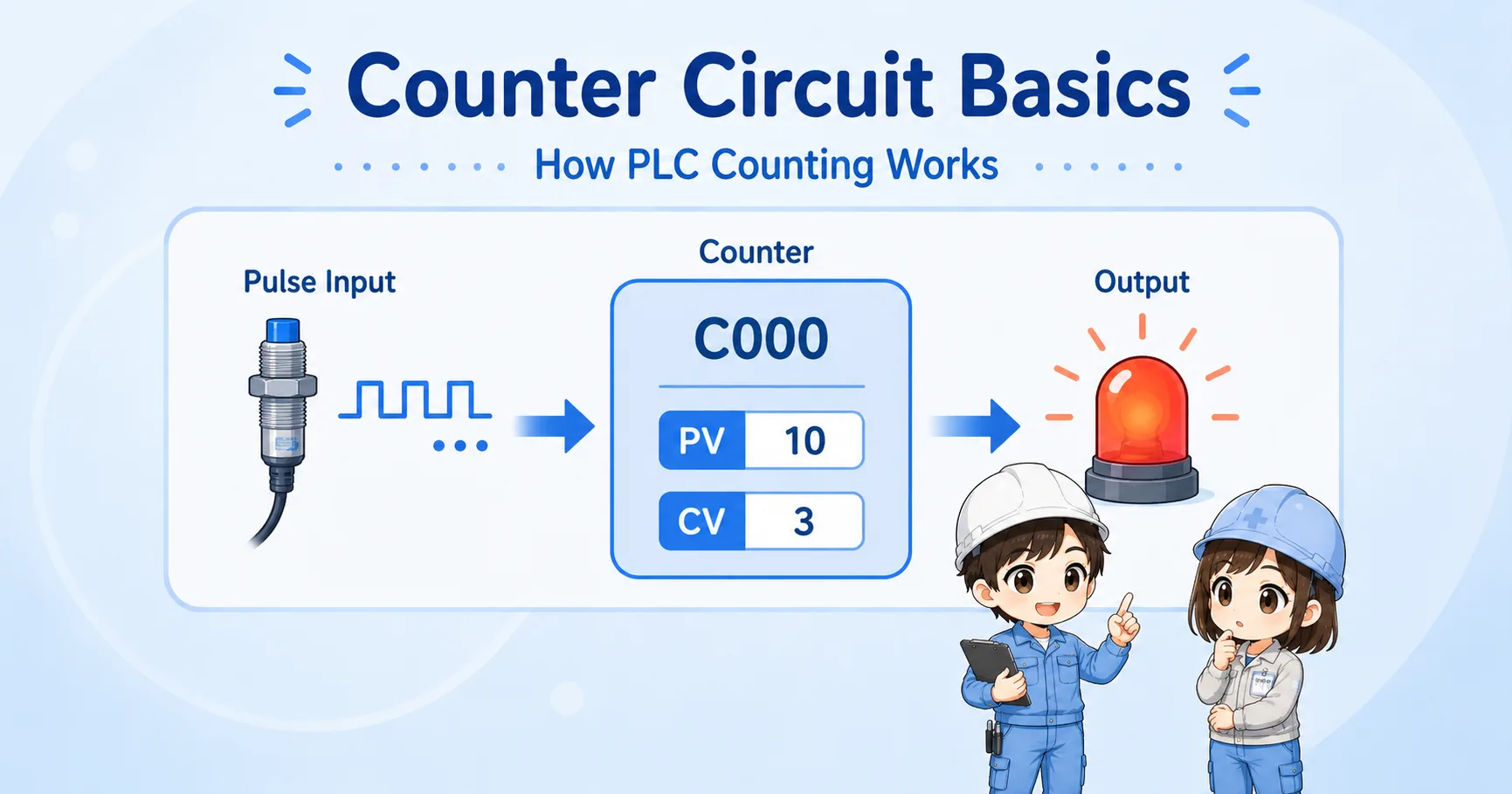
Counter Circuit Basics: How PLC Counting Works in Control Panels
Learn how PLC counter circuits count input pulses, compare the current value with a preset value, turn ON an output, and reset for the next operation.
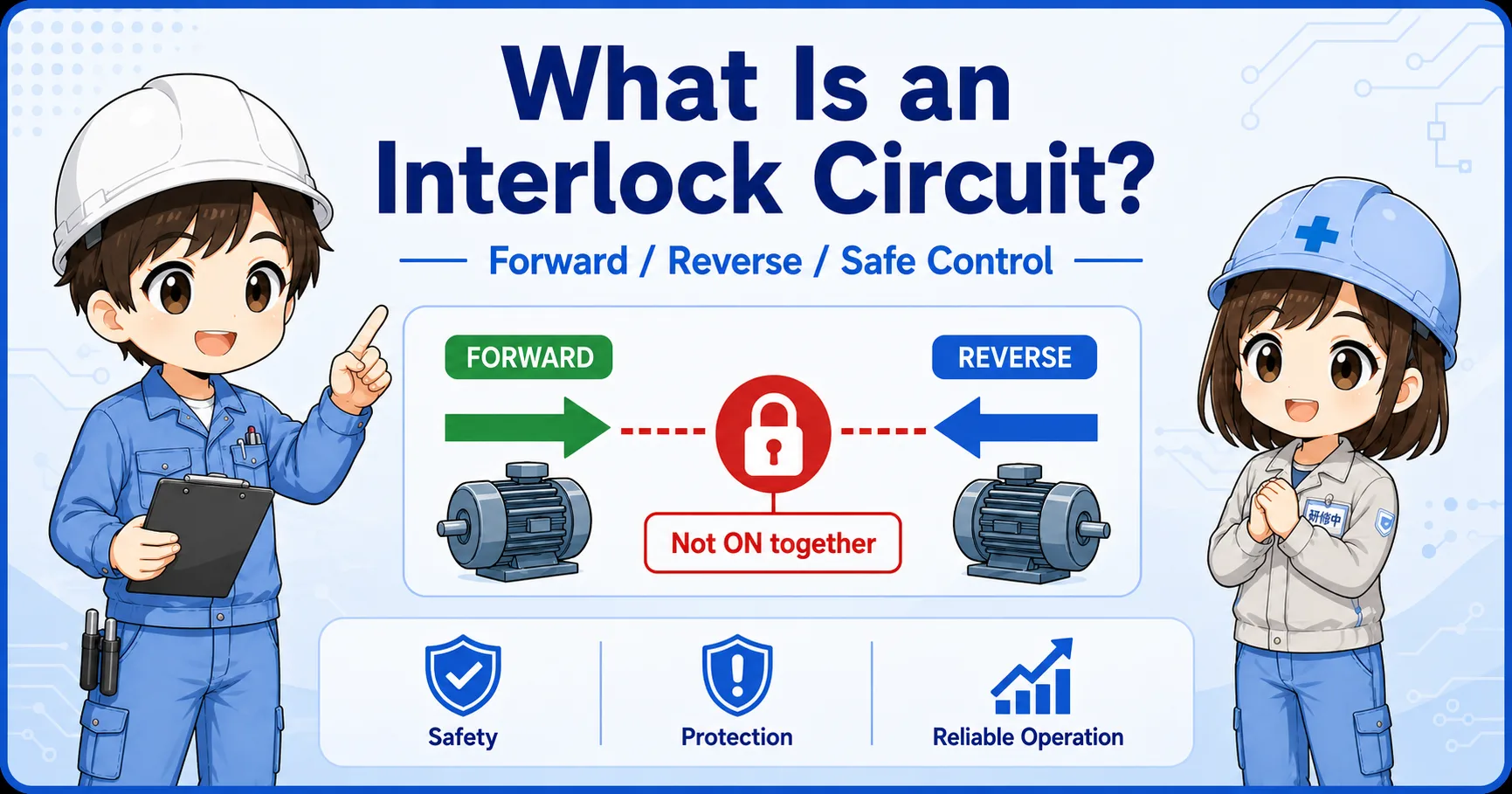
Interlock Basics
Understand how interlocks prevent two conflicting operations from running at the same time.
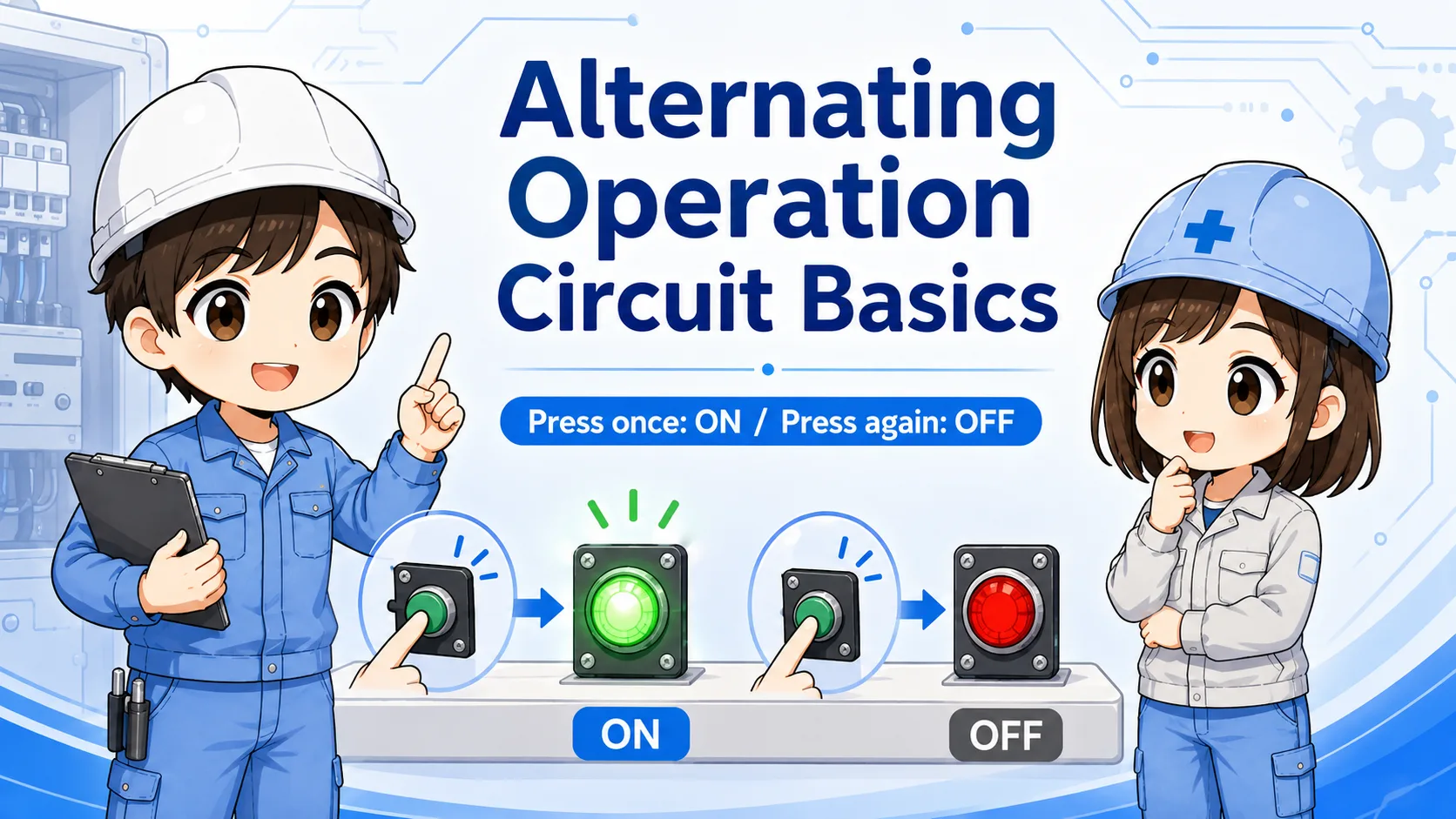
Alternating Operation Circuit Basics
Learn how one push button can toggle an output ON and OFF each time it is pressed, using a stored state, one-shot trigger, and basic ladder logic.
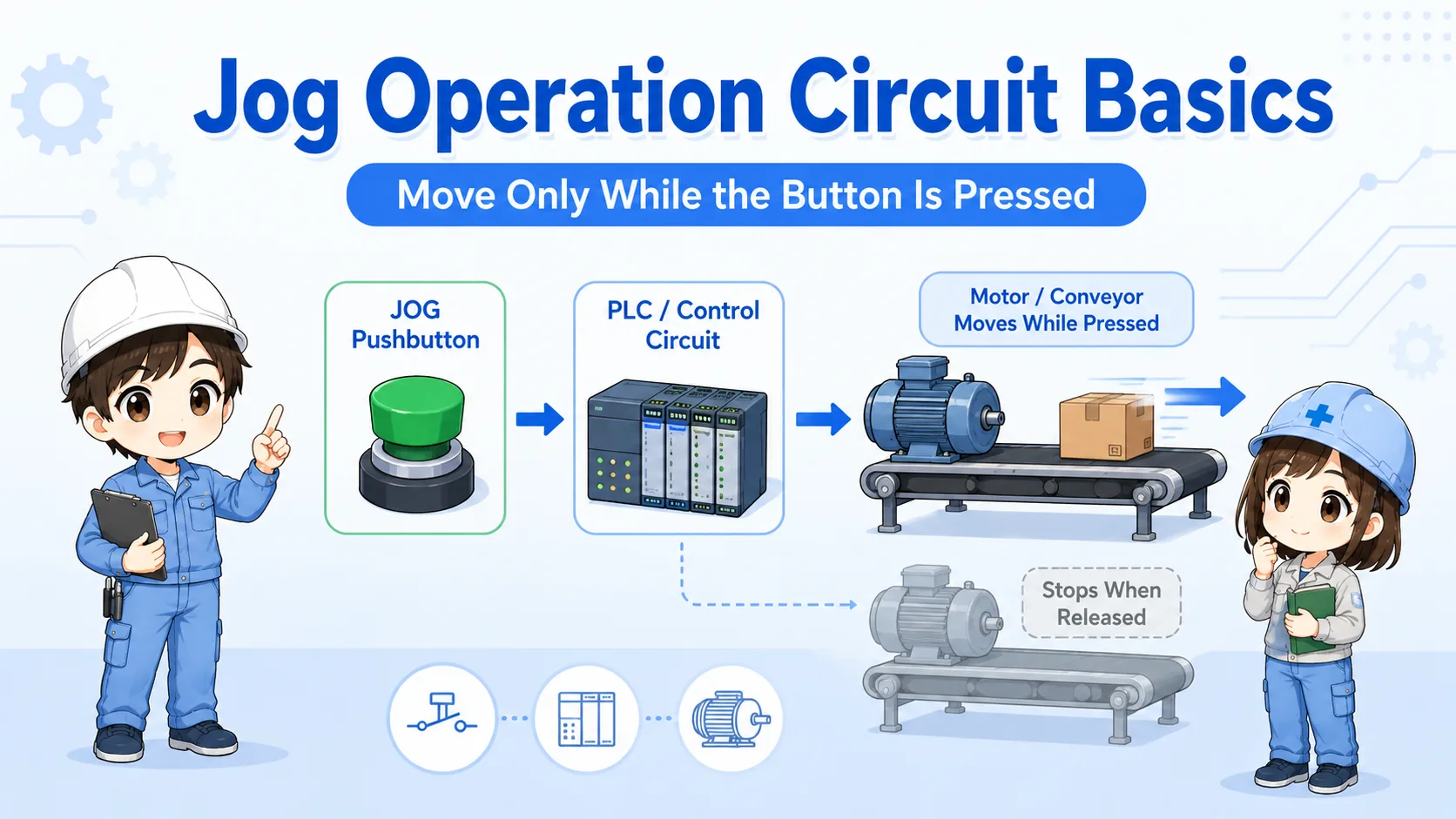
Jog Operation Circuit Basics
Understand circuits that move equipment only while a button is being pressed.
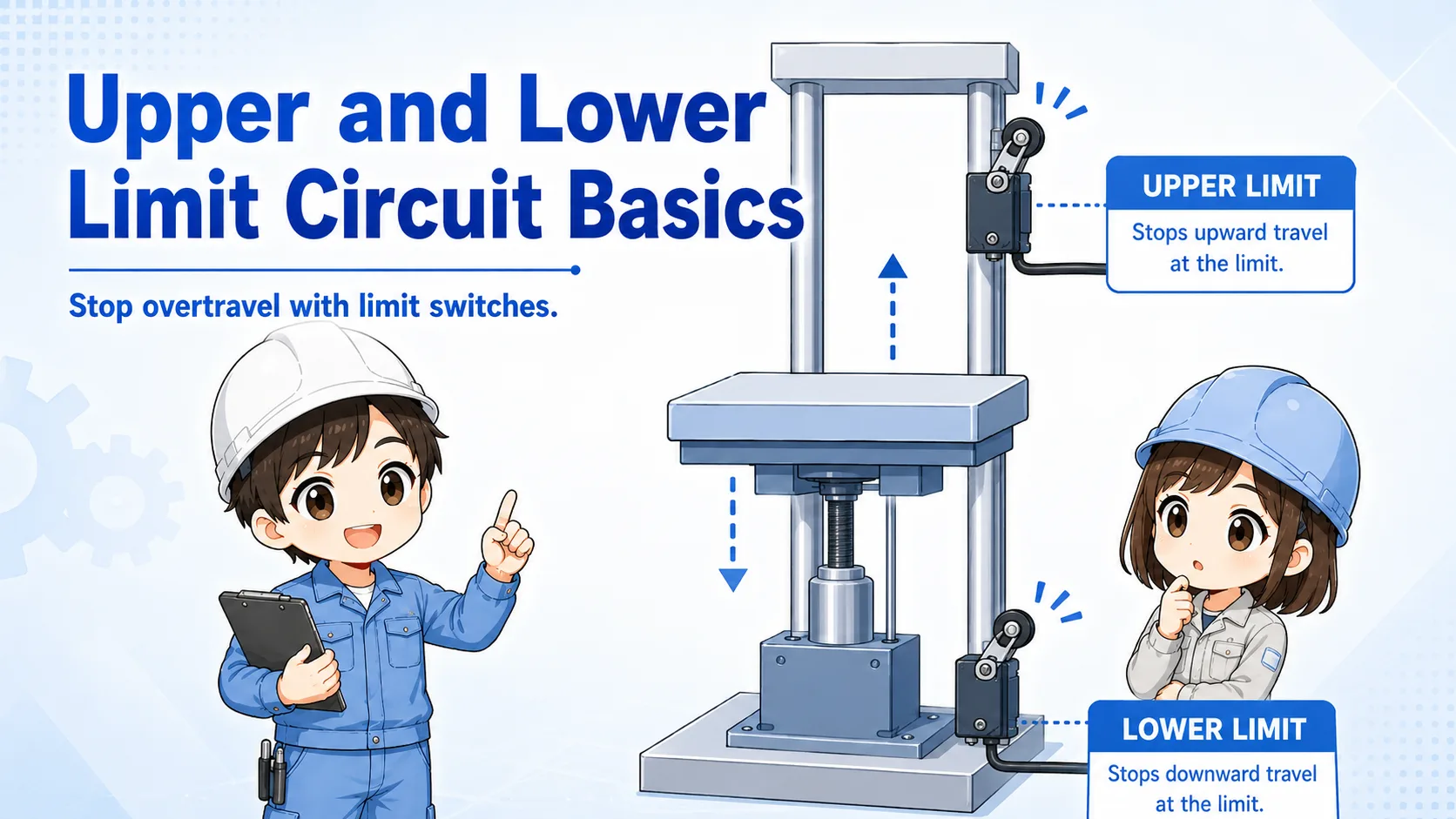
Upper and Lower Limit Circuit Basics
Learn how upper and lower limit switches stop overtravel, block movement in the limit direction, and help protect moving mechanisms in basic control circuits.
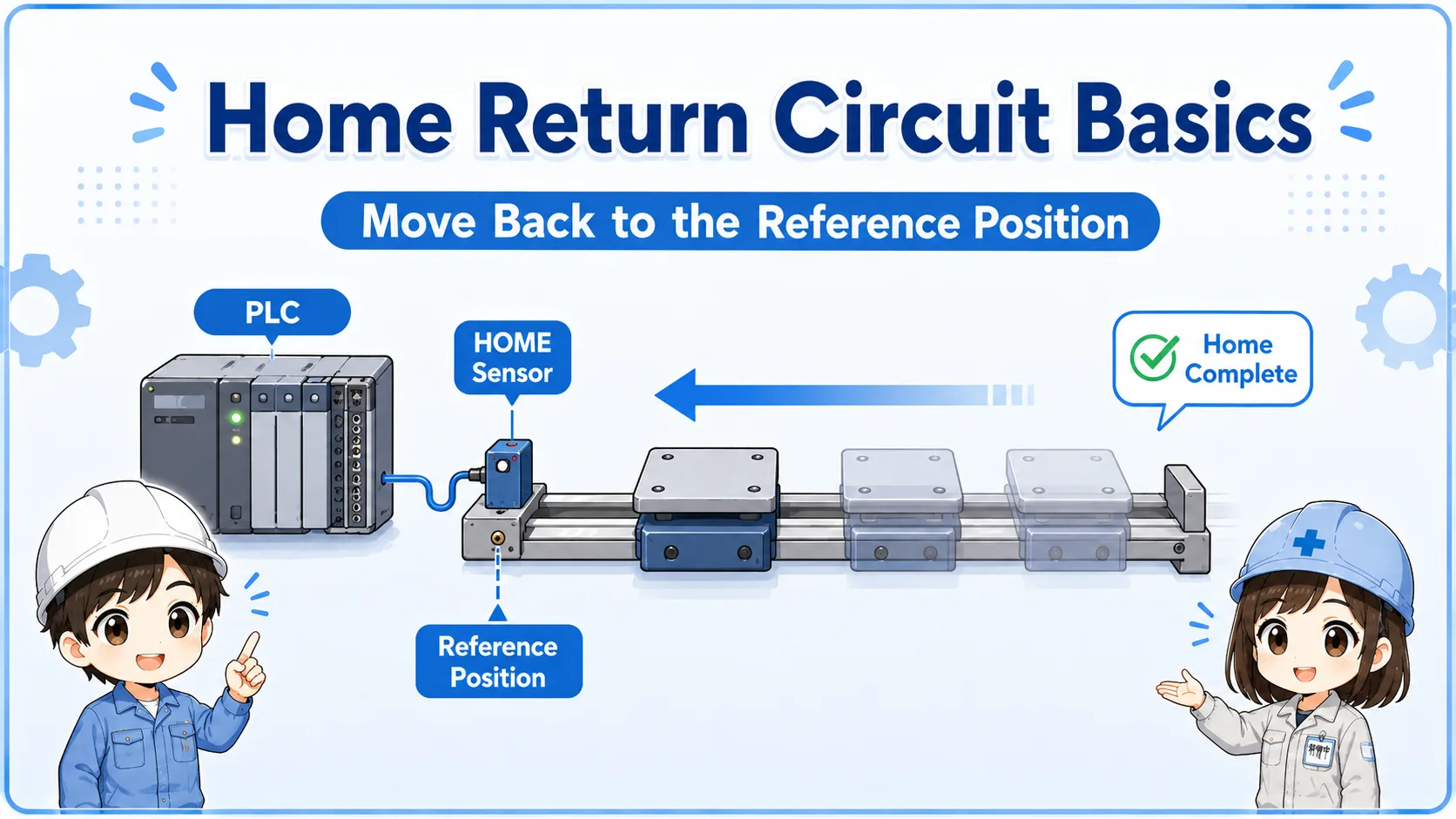
Home Return Circuit Basics
Understand the basic idea of returning equipment to a known reference position.
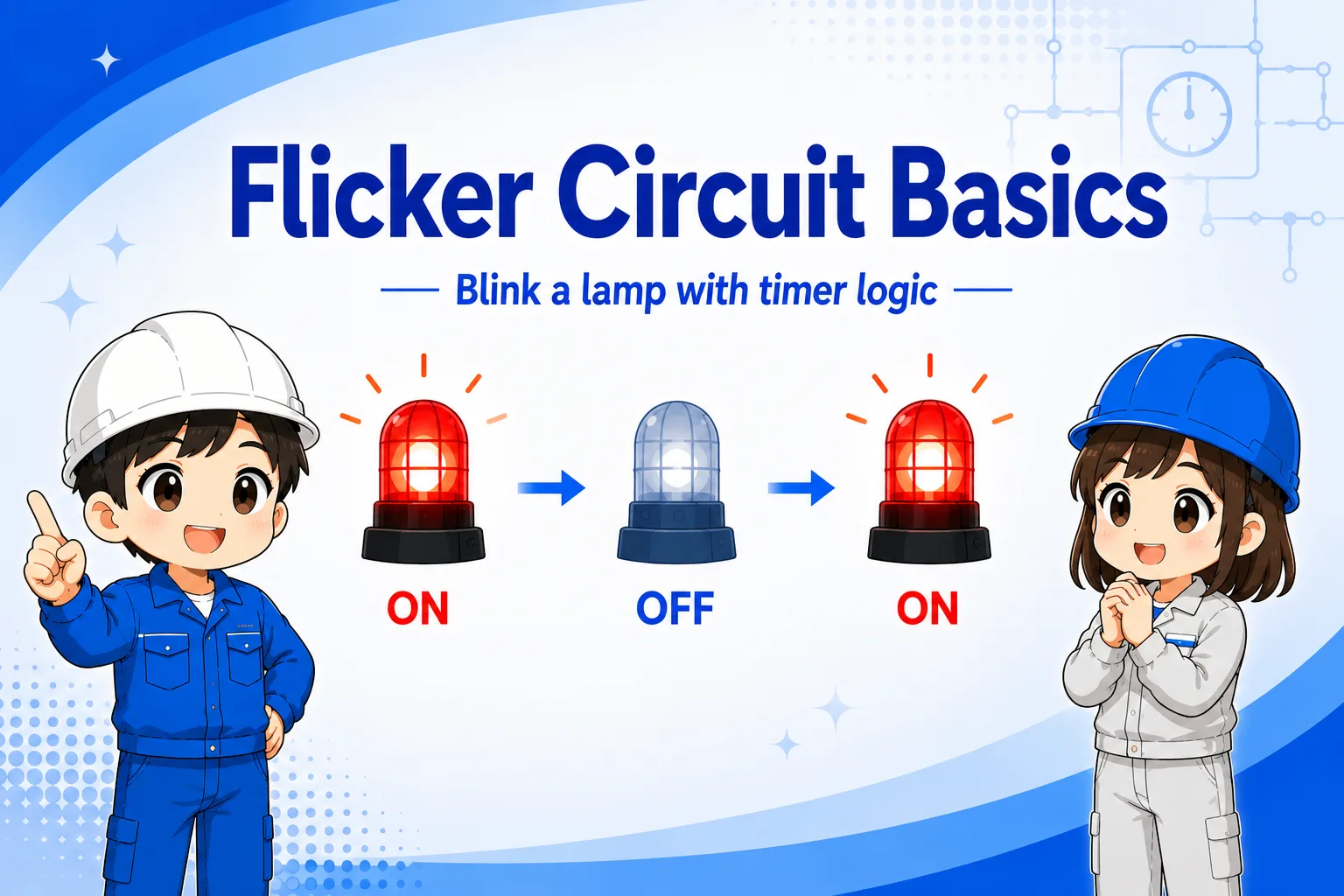
Flicker Circuit Basics
Learn how a flicker circuit blinks a lamp using timer logic, ON/OFF timing, ladder logic, and practical field checks.
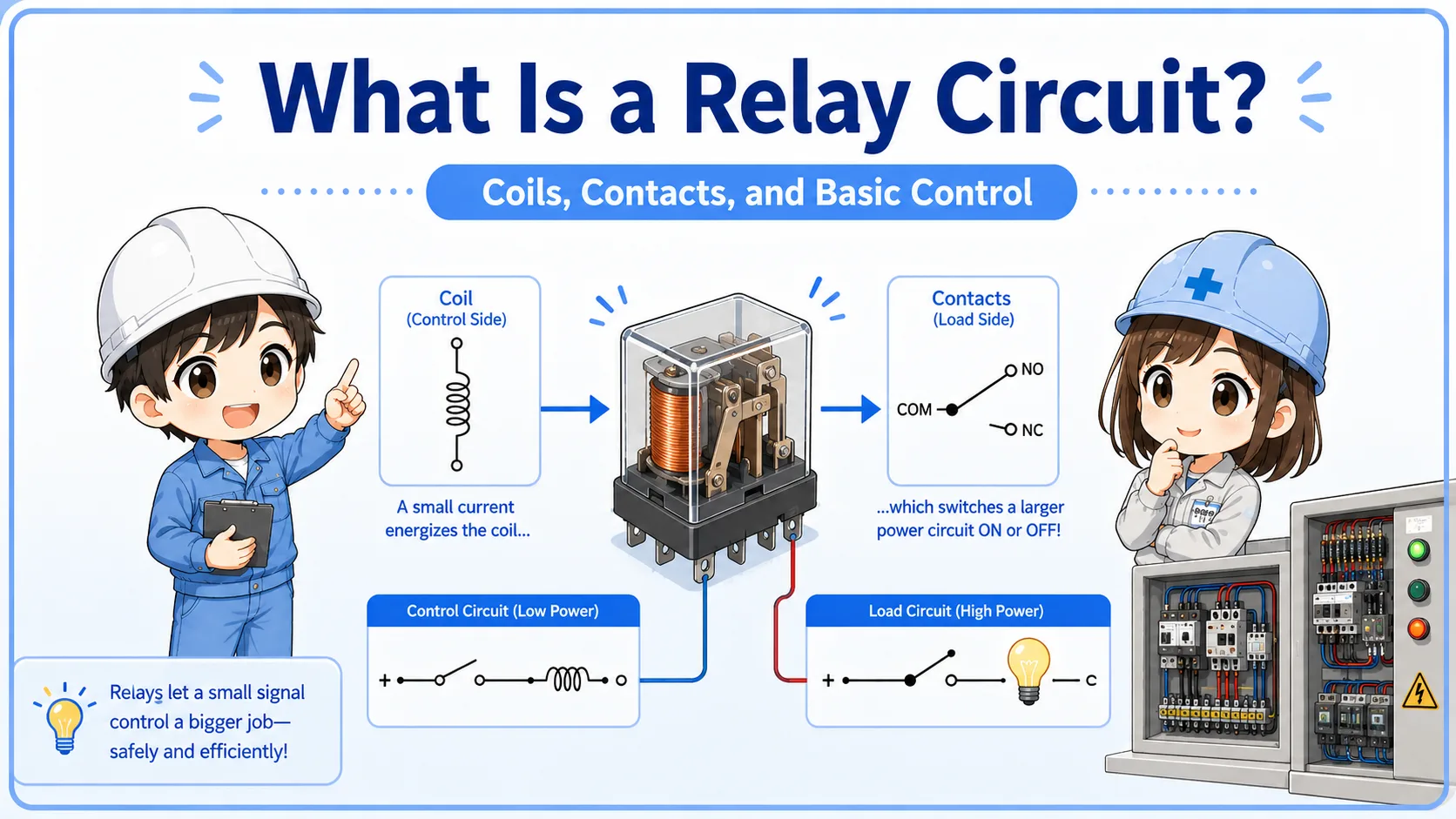
Relay Circuit Basics
Learn how relay coils and NO/NC contacts switch signals and loads in control circuits.
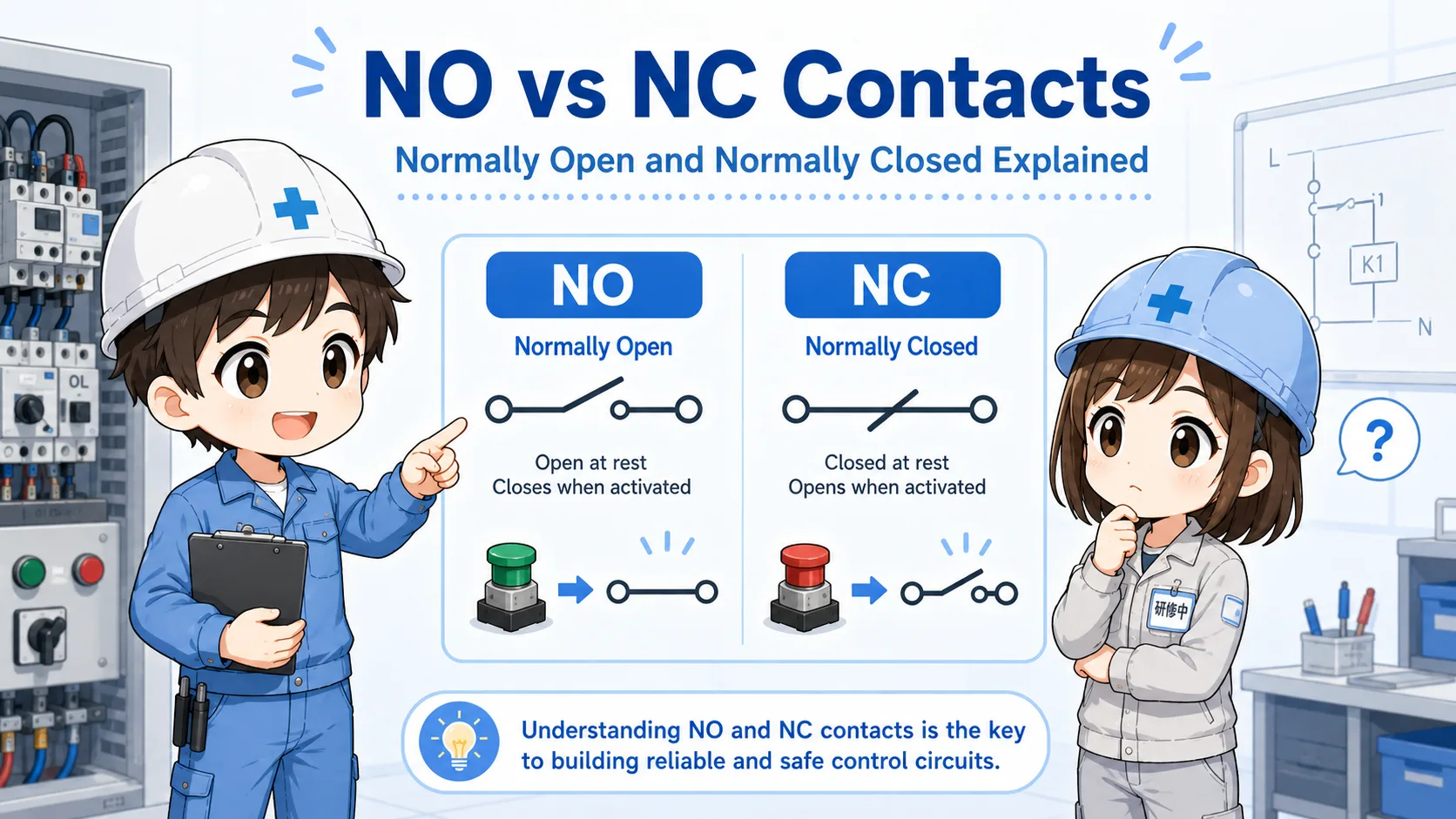
NO / NC Difference
Learn the difference between normally open and normally closed contacts in control circuits.
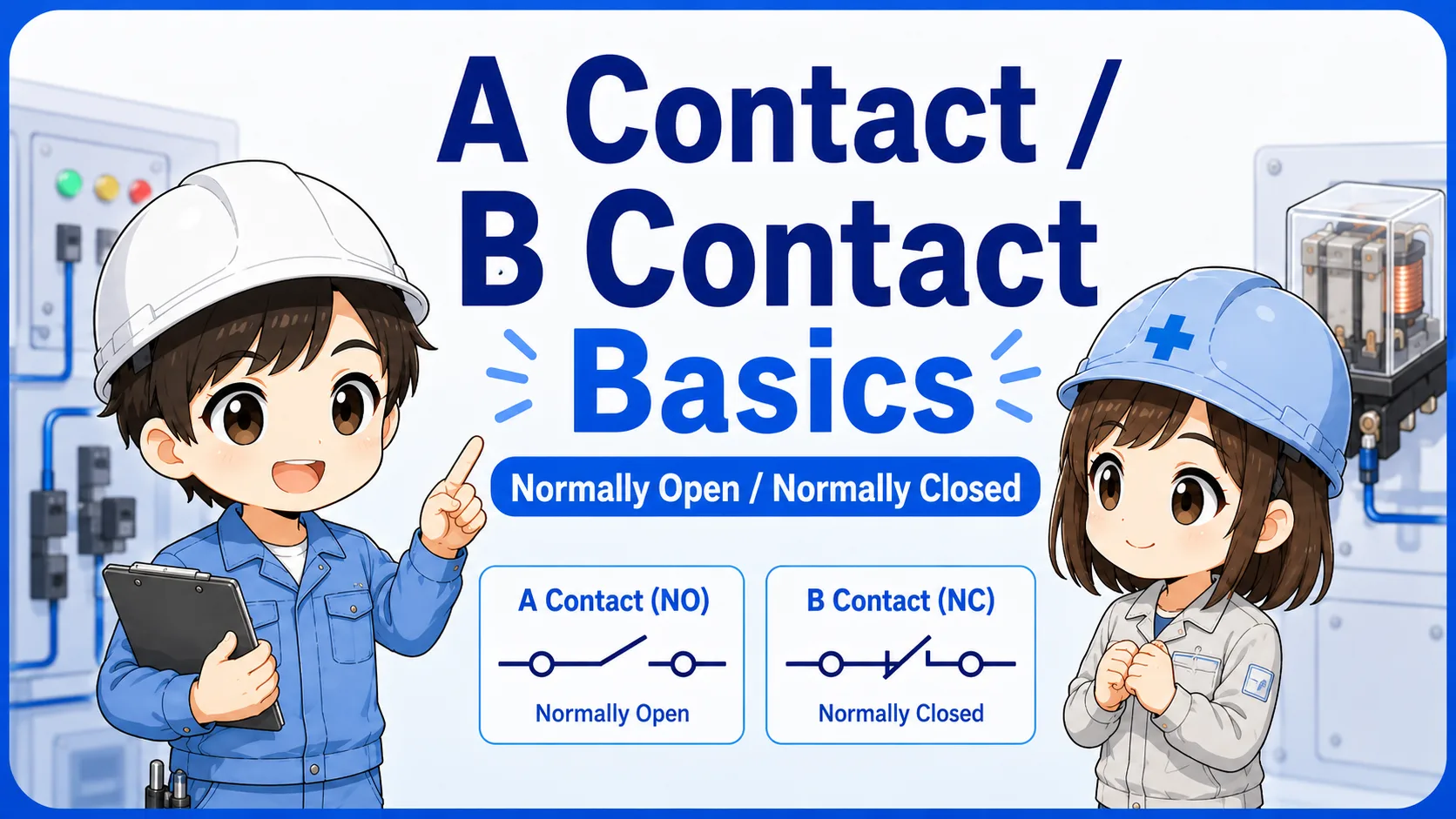
A Contact and B Contact Basics: Normally Open and Normally Closed Explained
Learn the difference between a contacts and b contacts, also known as normally open and normally closed contacts.
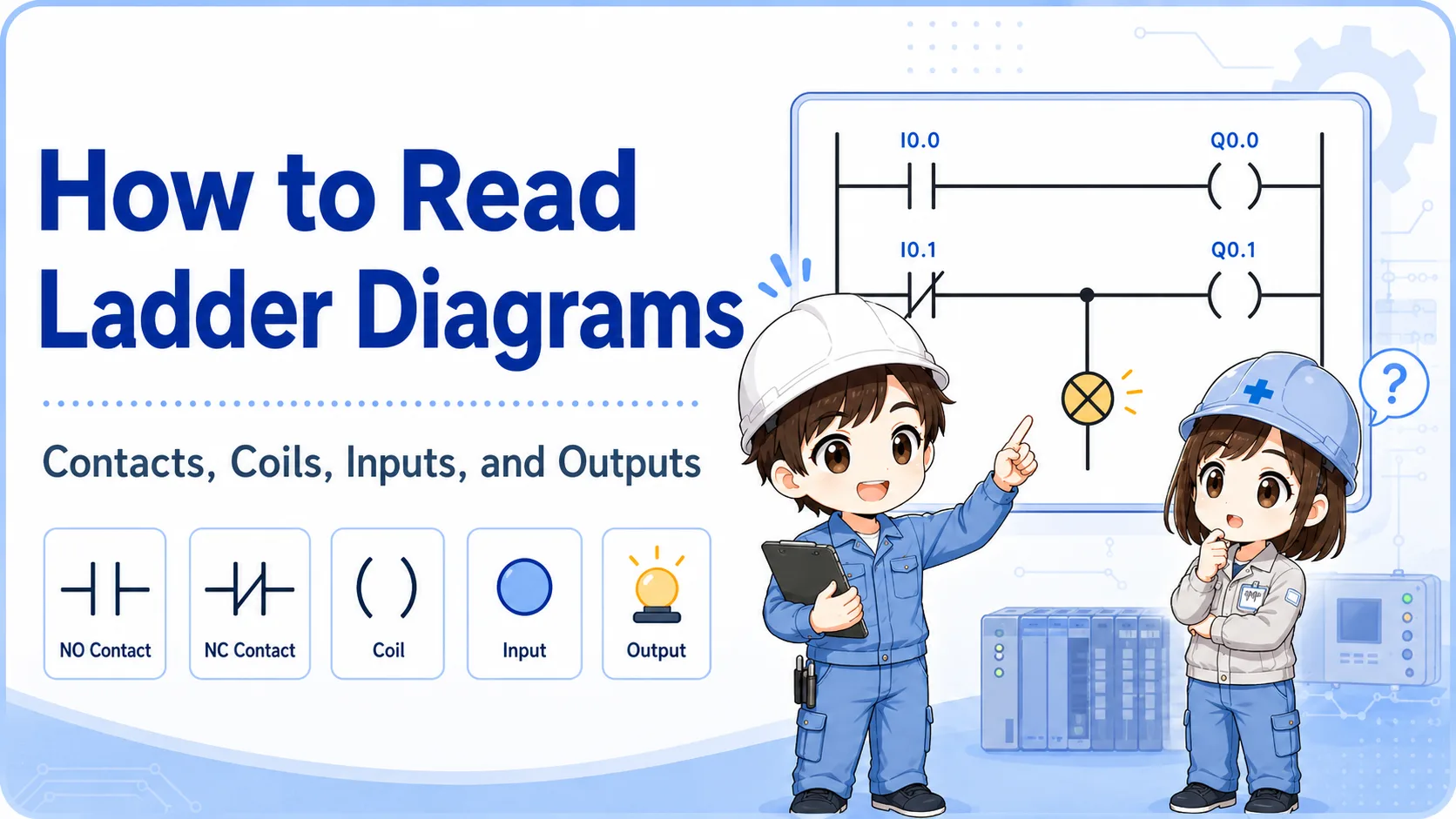
How to Read Ladder Diagrams
Learn how to follow contacts, coils, and signal flow in ladder diagrams.
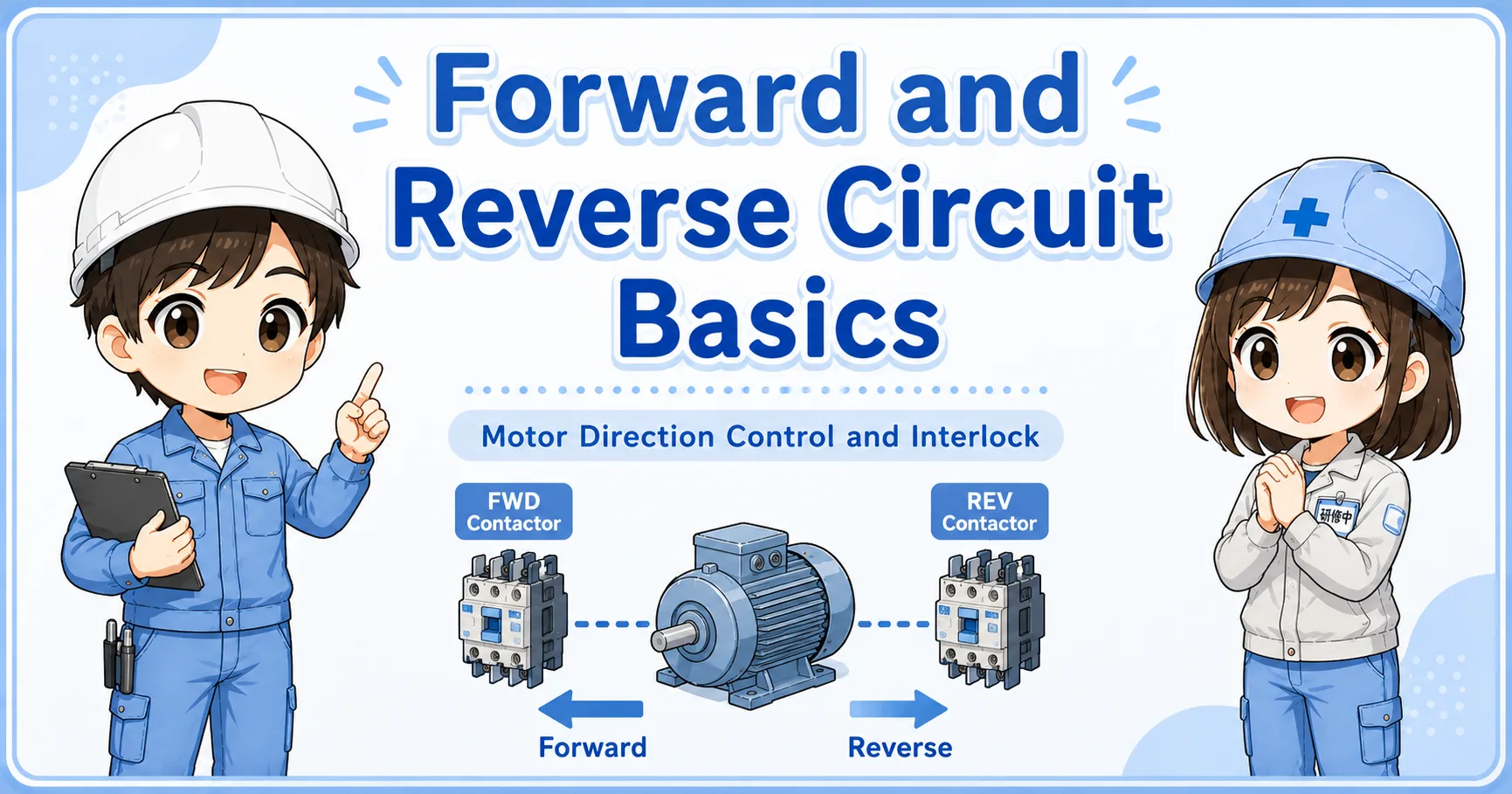
Forward and Reverse Circuit Basics: Motor Direction Control and Interlock
A beginner-friendly guide to forward and reverse motor control, contactors, phase swapping, self-holding, electrical and mechanical interlocks, PLC logic, and practical field checks.
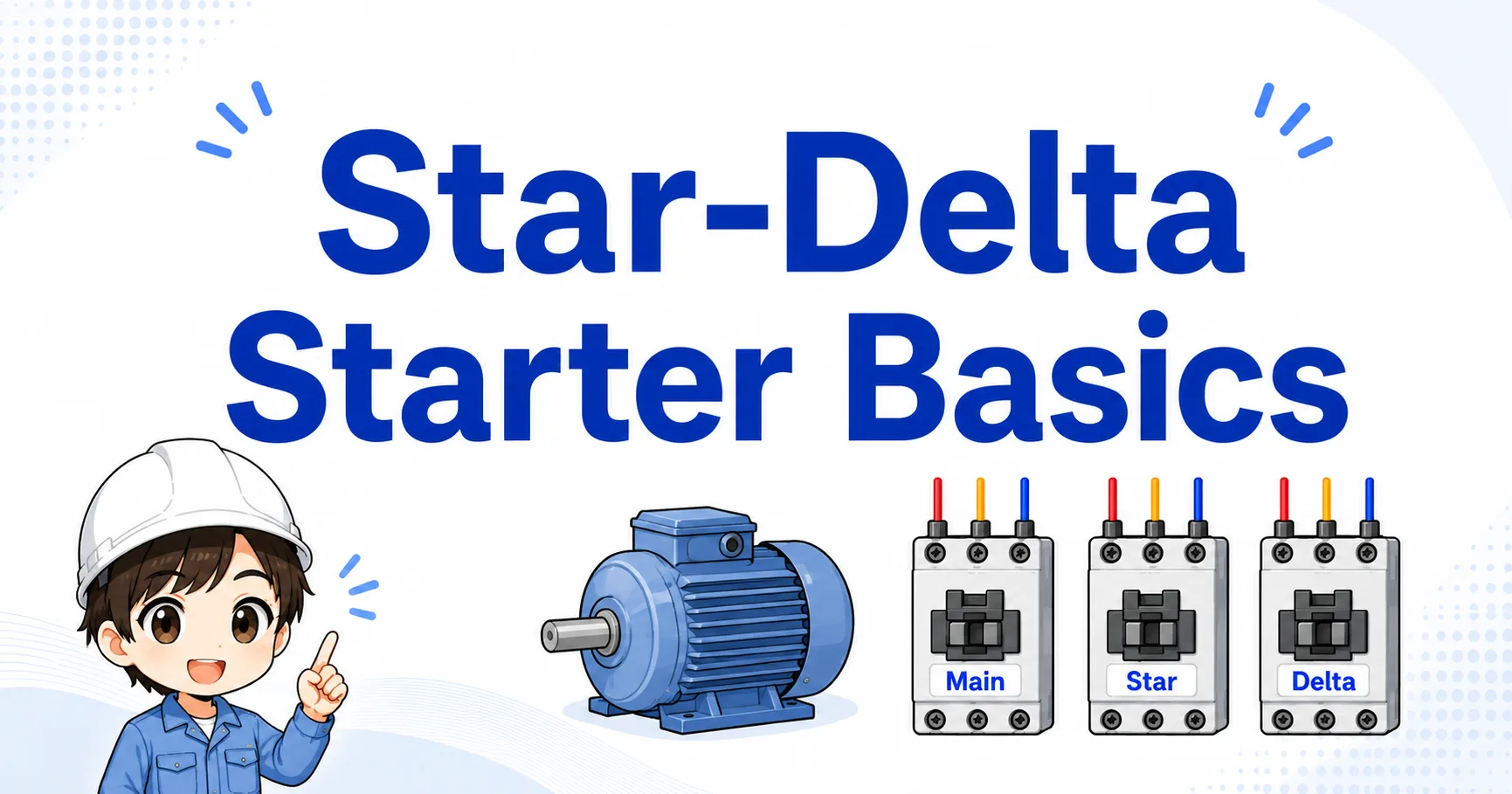
Star-Delta Starting Circuit Basics
Learn the basic flow of star-delta motor starting and timer switching.
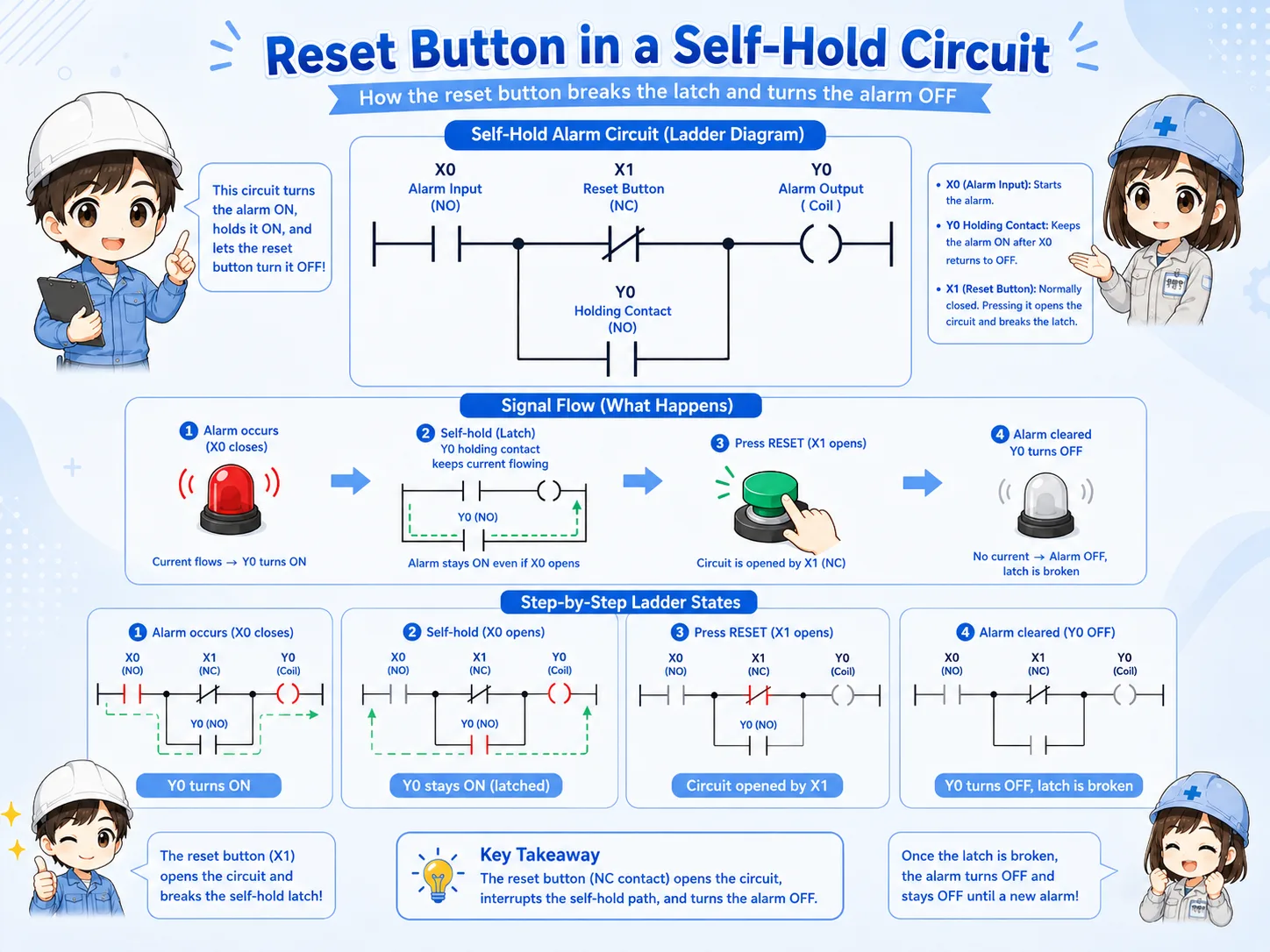
Reset Circuit Basics
Understand how reset logic clears holding circuits, alarms, and internal states.